No products in the cart.
Free Shipping All over India.



0


Health Benefits of Consuming Ghee in Summer


Published on –

5 min read

Many people avoid ghee during summer because they believe it increases body heat. However, Ayurveda considers pure desi ghee a nourishing food that may help maintain internal balance even during hot weather when consumed in moderation.
Organic A2 Cow Ghee, especially when prepared using traditional bilona methods, contains healthy fats and nutrients that may support digestion, hydration, skin health, and energy levels. If you have ever wondered, “Can we eat ghee in summer?” the answer will surprise you. Let us explore the health benefits of consuming ghee in summer and how to include it in your diet the right way.
Can We Eat Ghee in Summer?
Yes, ghee can be consumed during summer when taken in moderate amounts as part of a balanced diet. Contrary to the myth that ghee is only suitable for winter, Ayurveda describes ghee as a nourishing ingredient that may help maintain body balance.
During hot weather, people often experience digestive discomfort, low energy, or dryness caused by dehydration and heat. Including a small amount of A2 desi ghee in meals may help support digestion and overall wellness. However, moderation is important, especially during extremely hot days.
Health Benefits of Consuming Ghee in Summer
1. Cooling Effect on the Body
According to Ayurveda, ghee is believed to support internal balance and nourishment. During hot weather, the body may experience fatigue, dryness, or digestive discomfort. Consuming a small amount of desi ghee in moderation may help provide nourishment while supporting overall comfort during seasonal heat.
2. Supports Digestion
Ghee functions as an outstanding digestive aid which works efficiently in hot summer weather. Ghee stimulates digestive enzymes to improve nutrient absorption together with reduced post-meal discomfort. Ghee provides essential digestive support during summer because people consume less food and digestion rates decrease due to heat.
Click to Learn How Ghee Enhances Digestion and Gut Health
3. Rich in Healthy Fats
The healthy fats in ghee include omega-3 fatty acids that serve as essential components for skin health especially when summer sun exposure leads to dryness and irritation. Healthy fats in ghee function to lubricate joints while improving mobility which makes it an ideal dietary addition for active summer months.
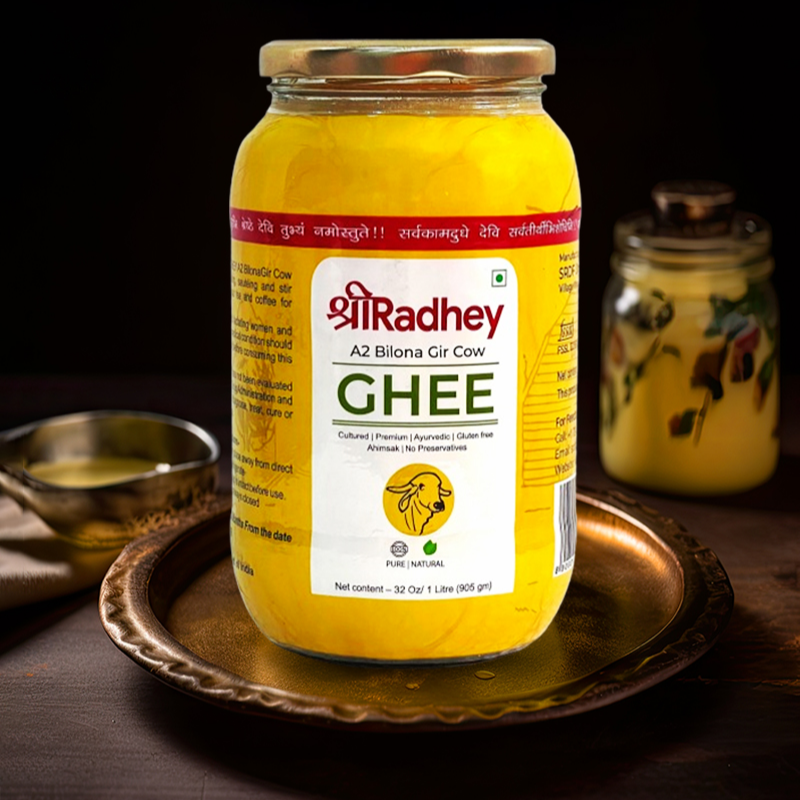 A2 Gir Cow Ghee (1000 ML) |
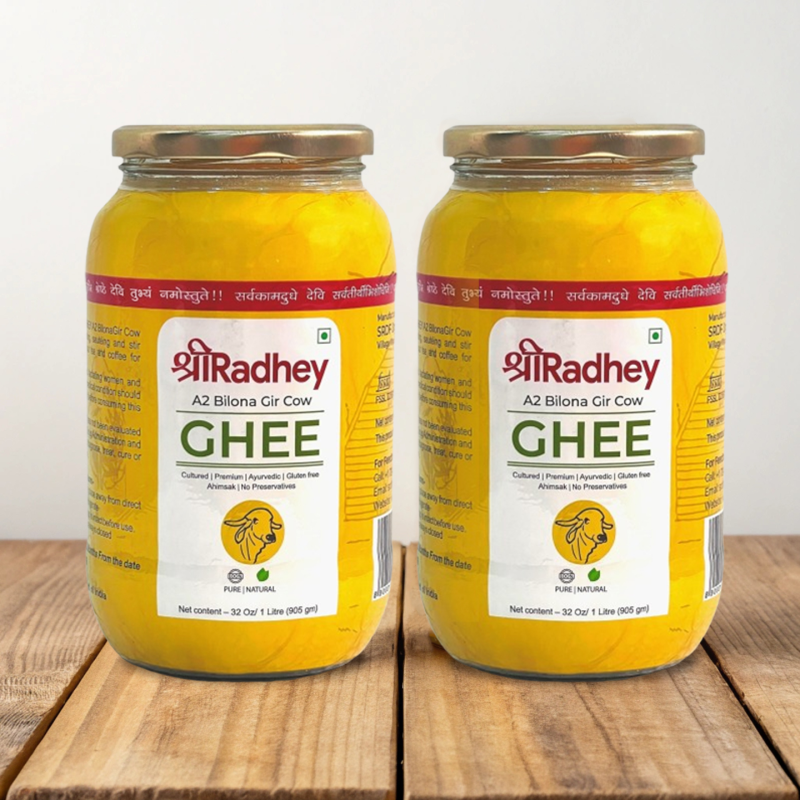 A2 Gir Cow Ghee (1000 ML X 2) |
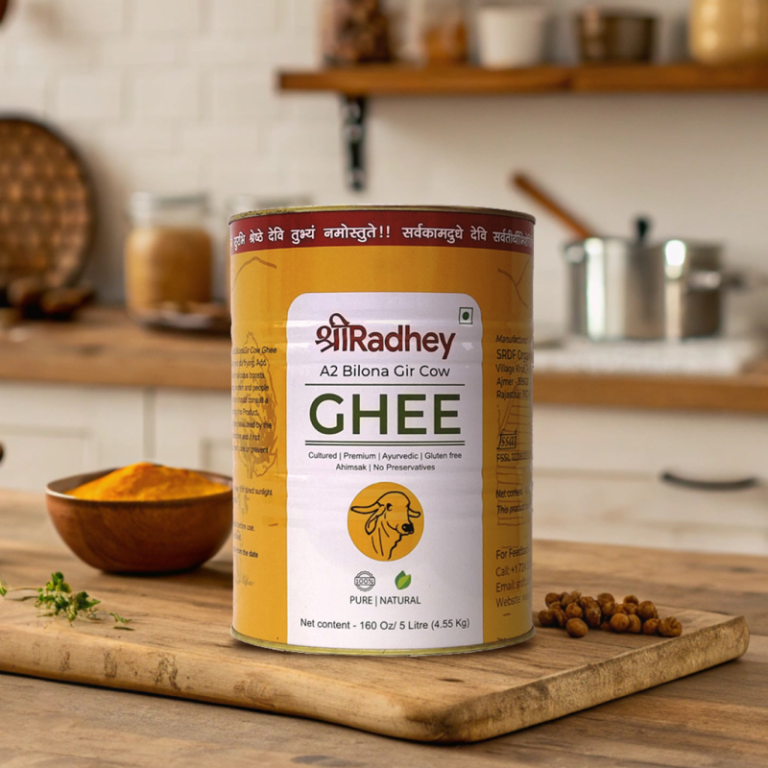 A2 Gir Cow Ghee (5 Ltr) |
4. Boosts Immunity
Desi Pure Cow Ghee contains naturally occurring fats and antioxidants that may help support overall wellness. Seasonal weather changes during summer can sometimes leave people feeling low on energy. Including moderate amounts of desi ghee as part of a balanced diet may help support general health and nourishment.
5. Promotes Healthy Skin
The skin benefits from the vitamins A, E and K present in ghee which provide both nourishment and hydration. The summer sun causes skin dryness and irritation which affects its health. The natural moisturizing properties of ghee deliver necessary nutrients to your skin which results in softness and smoothness with a radiant glow. The natural balm quality of ghee lets you use it topically to treat both dry skin and sunburns.
6. May Support Heart Health When Consumed in Moderation
When consumed in balanced amounts, ghee can be part of a healthy diet. Some studies suggest that moderate consumption of traditional fats may fit into an overall balanced lifestyle. However, portion control remains important, especially for individuals managing cholesterol or heart-related concerns.
Click to Learn How Desi Cow Ghee is Good for a Healthy Heart
7. Promotes Mental Clarity and Focus
Bilona A2 Ghee serves as an Ayurvedic medicine to enhance mental operations. Ghee functions as brain food because its fats help improve concentration and memory function and mental clarity. During summer months ghee acts as a mental performance enhancer while people often experience fatigue and dehydration.
How to Incorporate Ghee into Your Summer Diet?
You do not need to consume large amounts of ghee to enjoy its benefits during summer. Small and balanced portions are enough.
- Add a teaspoon of ghee to dal, khichdi, or rice for flavor and nourishment.
- Spread a small amount on roti or paratha instead of processed spreads.
- Mix ghee into warm cooked vegetables for better taste and digestion.
- Add a small spoon to homemade meals instead of consuming fried or processed fats.
Best Time to Eat Ghee in Summer
The best way to enjoy ghee during summer is in moderate quantities with meals. Many people prefer adding a small amount of ghee to lunch, dal, roti, or rice for easier digestion and nourishment.
You can also consume a teaspoon of ghee in the morning or mix it into warm foods rather than consuming excessive quantities at once. During extreme heat, balance and portion control are key.
Conclusion
Ghee can be a healthy addition to your summer diet when consumed in moderation. From supporting digestion and skin nourishment to helping maintain overall wellness, pure desi ghee offers several seasonal benefits.
If you are looking for authentic quality, traditionally prepared A2 bilona ghee can be a nourishing addition to everyday meals. Enjoy it in balanced portions as part of a healthy lifestyle during warmer months.
Frequently Asked Questions
Is ghee good in summer?
Yes, ghee can be consumed during summer in moderation. Ayurveda considers ghee a nourishing food that may support overall balance and digestion.
Can we eat ghee in hot weather?
Yes, small quantities of ghee can be included in meals during hot weather. Portion control is important for maintaining balance.
Does ghee increase body heat?
Ghee is commonly misunderstood as a food only for winters. In Ayurveda, moderate ghee consumption is often considered suitable year-round when balanced with diet and lifestyle.
What is the best time to eat ghee in summer?
Many people prefer consuming small amounts of ghee with lunch or regular meals during summer rather than taking excessive quantities.
How much ghee should you eat in summer?
Moderate intake is generally preferred. Individual dietary needs may vary depending on lifestyle and health conditions.
 Why Ghee Is a Must-Have for Babies and Toddlers
 Why Organic Ghee Is the Ultimate Superfood for Immunity
 Ghee and Diabetes Myths: Everything You Need to Know
 Best A2 Ghee in India: A Complete Guide for Health Enthusiasts
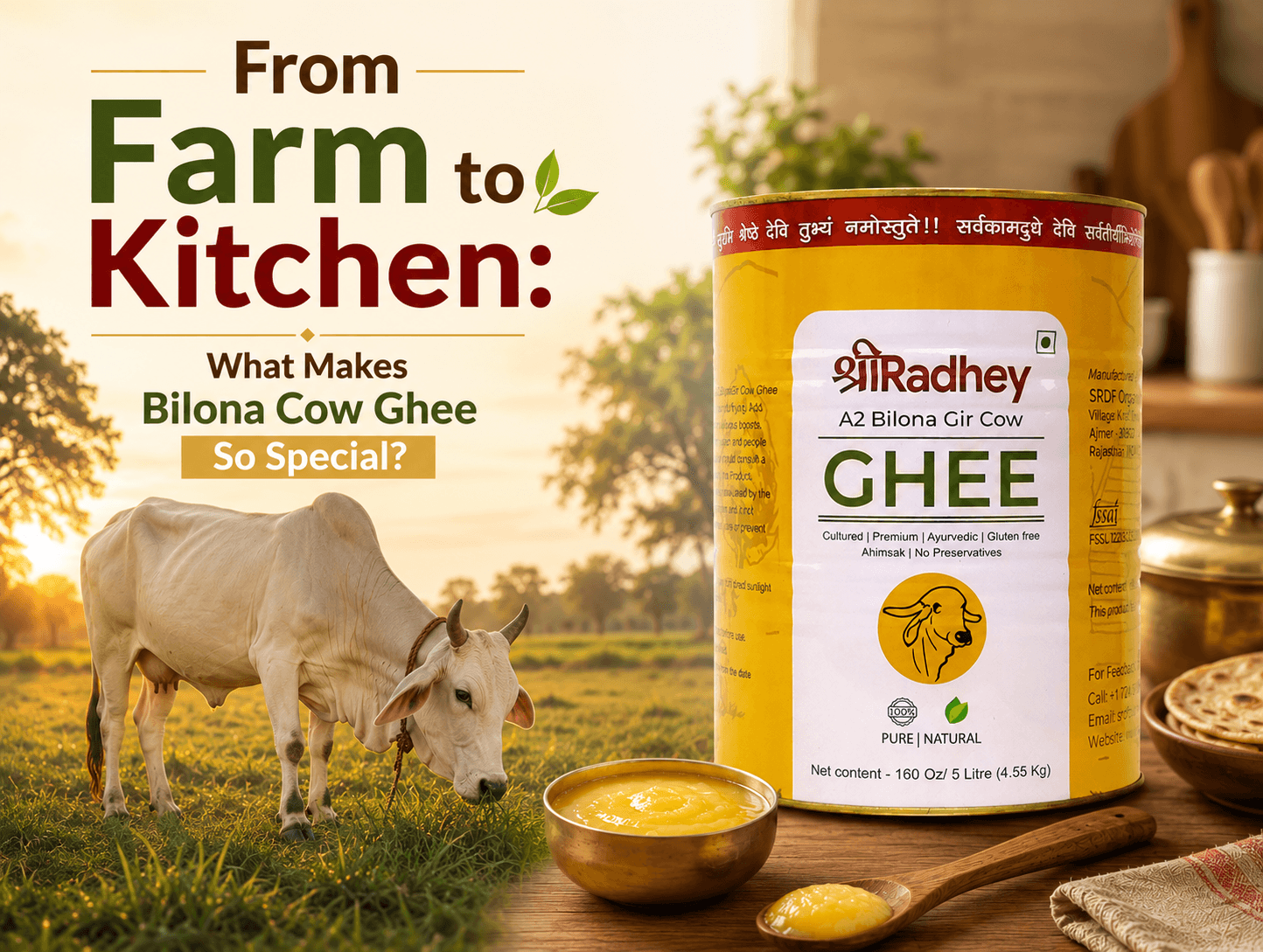 From Farm to Kitchen: What Makes Bilona Cow Ghee So Special?