No products in the cart.
Free Shipping All over India.



0


Best A2 Ghee in India: A Complete Guide for Health Enthusiasts


Published on –

7 min read
Ghee has been a staple in Indian kitchens for generations, valued for its rich taste, aroma, and versatility. Today, as more people become conscious of what goes into their food, traditional ghee is receiving attention. Among the different varieties available, A2 organic ghee has become particularly popular among health-conscious consumers looking for traditional dairy products.
However, with so many options available online and in stores, choosing the best A2 ghee in India can be confusing. Labels such as A2, Gir cow, bilona, organic, cultured, and traditionally churned can make it difficult to understand what actually matters when comparing products.
This guide will help you understand what A2 ghee is, how it is traditionally prepared, what to look for when buying it, and how to choose a quality product for your kitchen.
Why Is A2 Ghee Becoming Popular in India?
The main ingredients for an excellent ghee will be uncomplicated and clear. When buying pre-made ghee in packages, look at the labels and know just what you’re opting into buying. Refrain from purchasing an item simply as a result of the packaging being stamped with words and phrases like premium, authentic, as well as all natural.
You should go out of your way to evaluate not just the brand name, but ingredients as well as manufacturing information. Good packaging provides a batch number too.
Most consumers, however, don’t just look at nutrition, importance of traditional processing methods, indigenous cow breeds, origin, taste of traditional ghee .
What Makes the Best A2 Ghee in India?
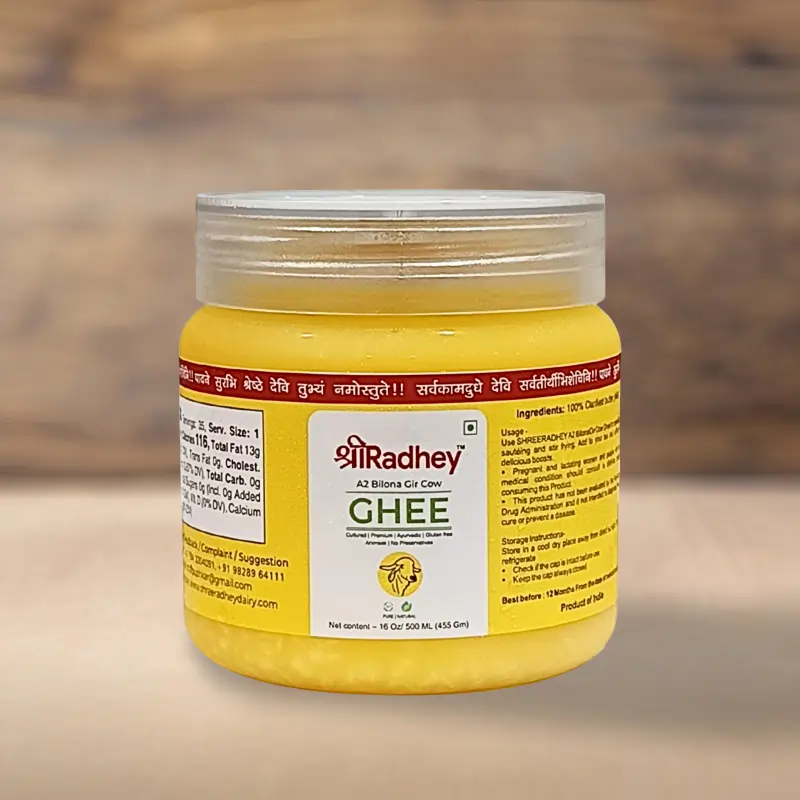 A2 Gir Cow Ghee (500 ML Bottle) |
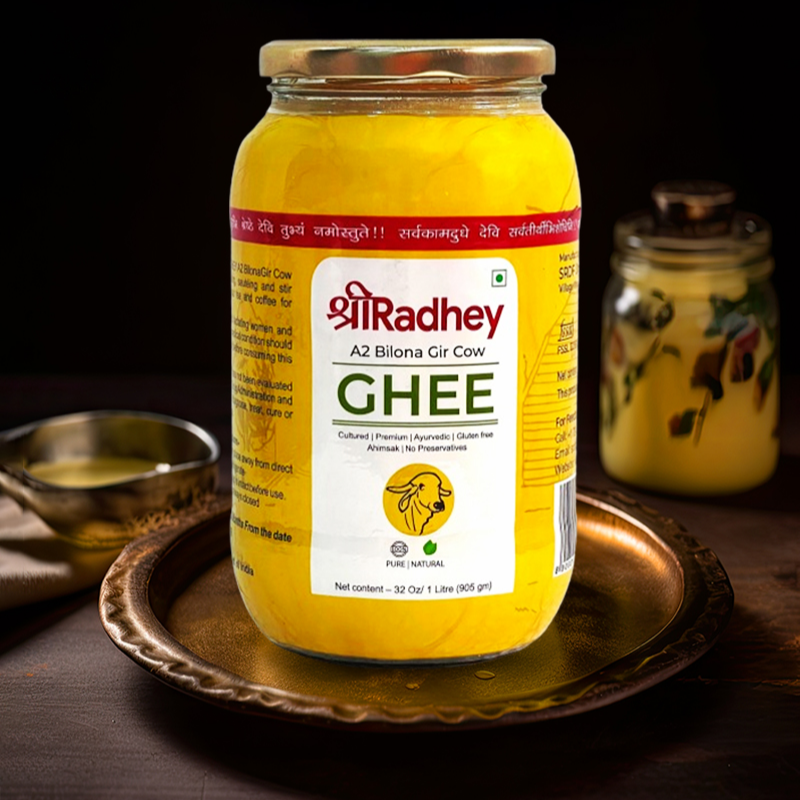 A2 Gir Cow Ghee (1000 ML) |
 Bilona Cow Ghee (15 KG) |
1. Source of the Milk
The quality of the ghee is derived from the source of milk. If the brand claims to provide Gir cow A2 ghee, customers ought to inquire for the source of milk and check if the brand has genuine information about the sourcing of milk. Brands that openly offer details regarding the source of their milk supply and method of ghee creation will certainly empower customers making sound options regarding the item.
2. Traditional Bilona Preparation
The word Bilona is commonly associated with a traditional Indian method of making ghee. In this process, milk is first converted into curd. The curd is then traditionally churned to separate butter, which is subsequently heated to produce ghee.
This method differs from some modern commercial processes that may begin with cream or butter. For consumers specifically seeking traditionally prepared ghee, understanding the production method can be an important part of comparing products.
If traditional preparation matters to you, look for brands that clearly explain their Bilona process rather than relying solely on marketing terminology.
3. Ingredients and Purity
The main ingredients for an excellent ghee will be uncomplicated and clear. When buying pre-made ghee in packages, look at the labels and know just what you’re opting into buying. Refrain from purchasing an item simply as a result of the packaging being stamped with words and phrases like premium, authentic, as well as all natural.
You should go out of your way to evaluate not just the brand name, but ingredients as well as manufacturing information. It is always great when packaging gives information about the batch number.
4. Taste, Aroma, and Texture
Good ghee has the aroma and taste of butter and is savory and robust. Texture varies depending on whether the ghee is warm or cold, or how it was prepared. Ghee might have a grainy or granular texture under particular circumstances (or depending on how it’s prepared, and that in itself doesn’t indicate that the ghee is of poor quality.
Taste is subjective, but you can often get an idea if the ghee seems authentic and tastes right for how you intend to cook it. Click to learn how to choose the best A2 cow ghee in India.
A2 Ghee vs Regular Ghee: What’s the Difference?
The major difference arises from the type of milk it is made with and how it is advertised by the companies. A2 ghee is usually made with milk related to A2 beta-casein, whereas normal ghee might be made with milk but no information on the beta-casein type.
From a cooking standpoint, there are similar ways you can incorporate each into your meals. You can add either of them to Dal, rice, roti, vegetables and various Indian dishes. Between the two, it would perhaps then come down to a consideration of where it came from, its manufacturing method and what kind of product you prefer; what information the brand offers about it.
For health conscious people it may also be a matter of noting that ghee is still a calorie dense fat. It’s perhaps wise to choose a high-quality product but portion and overall dietary content remains equally relevant. Click to learn the difference between A2 ghee and regular ghee.
How to Choose Among the Best A2 Ghee Brands in India
A2 certified ghee is a fast trending product on the market today, there are many brands available. But since a good package doesn’t necessarily mean the ghee will benefit you, take a good hard look at what information a brand provides.
Pay attention to the source of milk, breed of cows, manufacturing method, ingredient label, testing or certification, packaging and storage information. Also, do a little online search to know what Gir cow milk is all about and about the Bilona method.
Price can also provide context, but a higher price does not automatically guarantee better quality. Traditional production can involve additional labor and sourcing costs, but consumers should still evaluate whether the brand clearly explains what they are paying for.
How to Use A2 Ghee in Your Daily Diet
Include A2 ghee in your everyday Indian meal. You can add it to your dal and rice for tempering or to your rotis and parathas for making it. You may even mix it with your usual food preparations, be they desserts or savory dishes.
In addition, few individuals may also love a small amount of ghee with warm food in their normal diet. However, as it is a very calorie and fat-dense food it must be consumed in moderation. Your daily calorie requirement would be based upon your diet, needs and other factors.
The goal should not be to consume large quantities simply because a product is marketed as premium or traditional. Instead, use it as one component of a balanced eating pattern.
Common Mistakes to Avoid When Buying A2 Ghee
A2 is not enough. A common mistake is thinking just because a product is marketed as ‘A2’, it is better. A2 is one piece of a larger puzzle. Do not fall for the label: Ignore production The production of ghee also differs by brand.
If you are specifically seeking Bilona ghee made the old-traditional way, look for a brand willing to explain how it is made.
Be careful with health claims. The word “healthy” is often used without much evidence. Avoid brands that claim ghee can cure, prevent, or treat diseases or other health problems. Ghee can be healthy when consumed in moderation as part of a well-rounded diet and balanced approach to life.
Finally, always check the packaging, manufacturing details, storage instructions, and expiry information before purchasing.
Final Thoughts: Finding the Best A2 Ghee in India
When looking for the best A2 ghee in India, the priority should be what actually gets delivered to you in the jar, not necessarily what the brand promises or advertises the most.
Be aware about transparent sourcing, production processes which are articulated clearly, clear labeling, quality of ingredients and about receiving authentic information on the brand. If a naturally processed method interests you, a clearly documented bilona process can be an added advantage.
If you’re comparing the best A2 cow ghee in India, take the time to read the label, understand the production process, and choose a product whose quality claims are supported by transparent information rather than marketing alone.
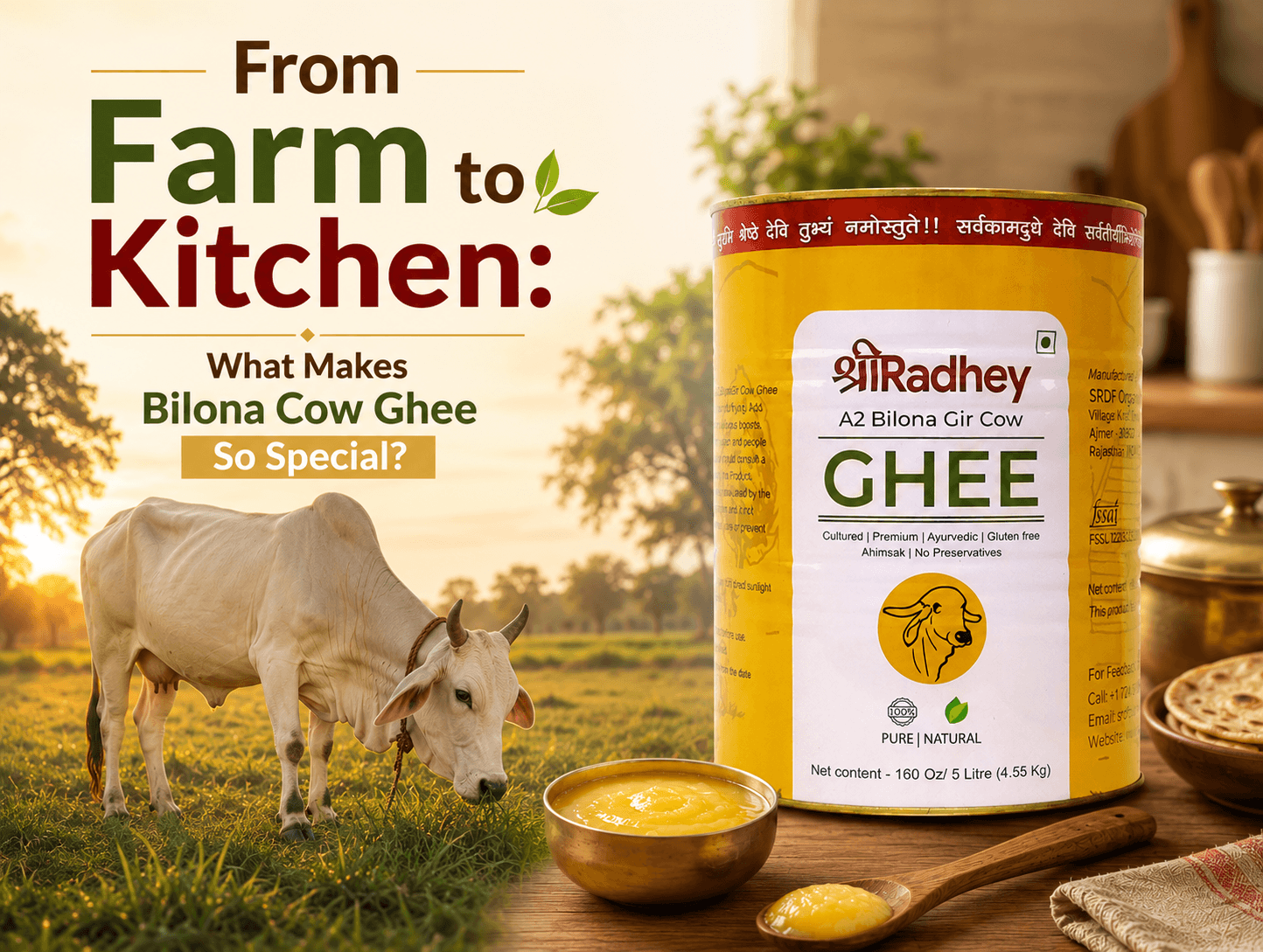 From Farm to Kitchen: What Makes Bilona Cow Ghee So Special?
 Can A2 Ghee Replace Your Everyday Cooking Oils?
 Bilona Cow Ghee: An Ayurvedic Secret to Longevity
 Common Mistakes to Avoid When Buying A2 Desi Ghee Online
 A2 Gir Cow Ghee: A Flavorful Choice with Health Benefits