No products in the cart.
Free Shipping All over India.



0


Is Organic A2 Ghee Worth the Price? What Makes It Different


Published on –
Last Updated –

4 min read
In recent years, organic A2 ghee has moved from being a traditional food to a staple in health-focused kitchens. Yet one question keeps coming up among buyers: why is A2 ghee so costly, and more importantly, is it actually worth paying more for? For that, we need to look beyond the label and understand what truly makes gir cow organic ghee different from regular ghee.
Understanding What A2 Ghee Really Is?
Not all ghee are the same. Organic A2 cow ghee is made from the milk of native cow breeds that are A2 beta-casein protein producers. A1 protein, found in crossbred or foreign cows mainly, is considered more difficult to digest and less alike to what humans have taken for ages than A2 protein. The protein structure difference is one of the main reasons A2 ghee is among the daily staples of many people, particularly the ones with slight dairy intolerances, who prefer it over other types.
Why Organic Matters in A2 Cow Ghee?
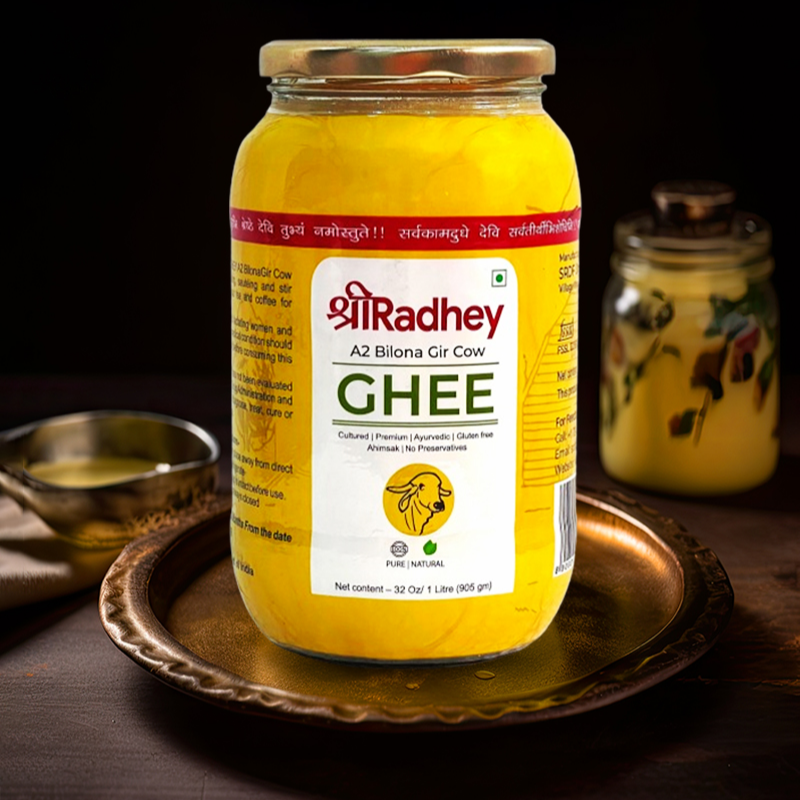 A2 Gir Cow Ghee (1000 ML) |
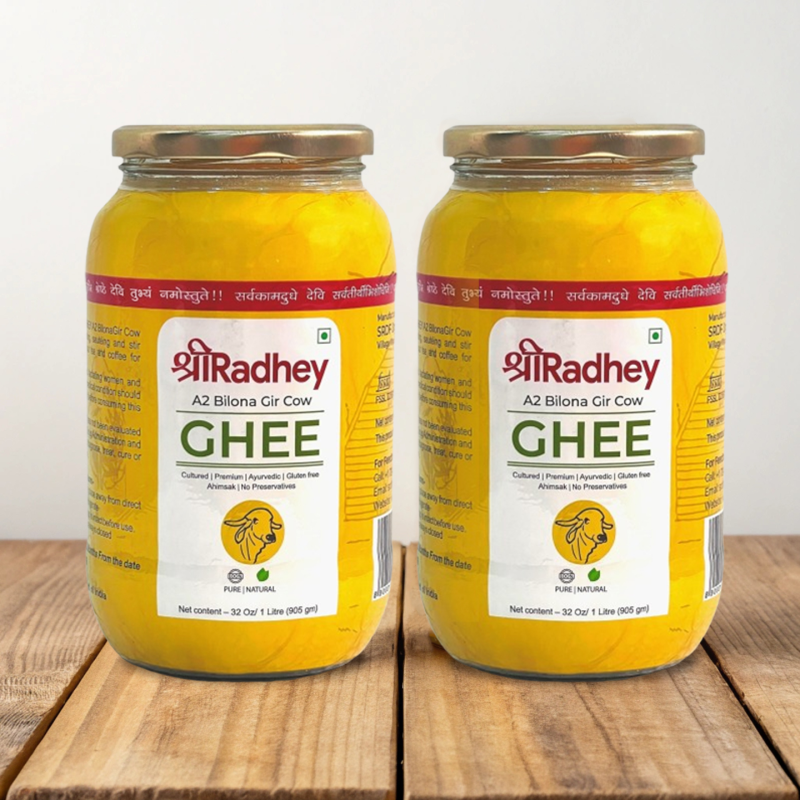 A2 Gir Cow Ghee (1000 ML X 2) |
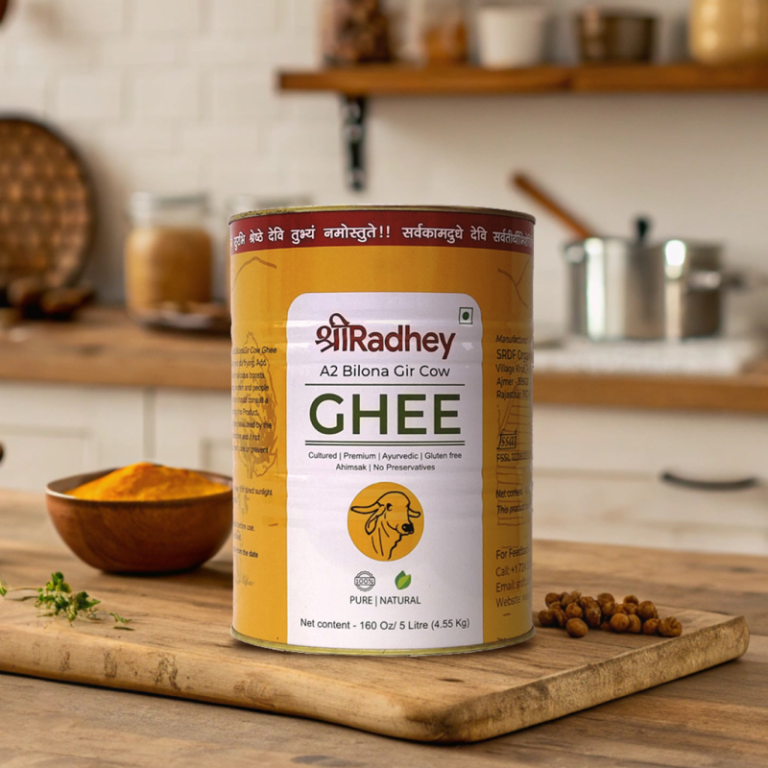 A2 Gir Cow Ghee (5 Ltr) |
Pure A2 cow ghee is produced using the milk of the grass-fed cows which are not given any antibiotics and are not fed on chemical-treated feed. The cows are kept under stress-free conditions and this is somehow mirrored in the quality of milk that they yield. The level of attention and certification that is necessary for the making of organic cow ghee does increase the cost but it also provides a guarantee of a more refined product that is aligned with the customers’ long-term health goals.
Read: How Organic A2 Ghee is a Healthier Alternative to Cooking Oil & Butter?
Why A2 Ghee Is Costly Compared to Regular Ghee?
It is a common question to consumers as to why A2 ghee is so expensive when ghee has been a traditional household product for centuries. The main reason is the production process. Usually, organic A2 cow ghee is made through the traditional bilona method where the curd gets churned slowly to obtain butter and then gets simmered into ghee. This procedure undoubtedly needs more milk, takes longer, and requires a skilled worker. It actually takes almost 25-30 liters of A2 milk to produce just one liter of ghee, which naturally affects the prices of organic A2 cow ghee.
Read: Why A2 Ghee Is More Expensive than Regular Ghee?
Breaking Down the A2 Cow Ghee Price
At first glance, the A2 cow ghee price may appear high when compared to that of regular or commercial ghee. Nevertheless, this price is a reflection of multiple factors that include limited milk production of the native cows, ethical treatment of animals, organic certification, and manual labor involved in the production. Organic A2 ghee, unlike the mass-produced ghee, is all about quality and thus a higher price naturally comes along with it.
Is Organic A2 Cow Ghee Worth the Investment?
A2 gir cow ghee benefits are long-term in nature. It contains a lot of healthy fats, fat soluble vitamins and antioxidants, and aids digestion, immunity, joint health, and general wellness. To the Ayurvedic and clean-eaters, organic cow ghee price will not be an issue of money but more of a valued investment in health. A minimal amount of consumption would be very cost effective.
Final Thoughts
While the organic A2 cow ghee price is undeniably higher, the difference is justified when you consider purity, digestibility, traditional preparation, and ethical sourcing. If you’re looking for a ghee that supports both wellness and authenticity, organic A2 ghee stands apart from ordinary options. In the end, it’s not just about paying more as it’s about choosing better. Click to choose the best organic ghee in India.
 Top Anti-Aging Benefits of A2 Gir Cow Ghee
 Benefits of Consuming A2 Desi Ghee Everyday in Winter
 Why Organic Ghee is the Perfect Gift For Christmas?
 A2 Desi Ghee: A Natural Ayurvedic Detox at Home
 How A2 Ghee Benefits in Immunity and Disease