No products in the cart.
Free Shipping All over India.



0


How Much A2 Desi Ghee Is Enough Per Day for Better Health?


Published on –

7 min read

A2 desi ghee has been an integral part of Indian homes, being used for its nourishing, healing and strengthening qualities by Ayurveda. This golden liquid, besides being a cooking fat, has many more health benefits. Many people ask how much ghee daily is actually healthy for you?
The consumption of ghee is healthy, but the right amount makes a huge difference. Let’s delve into how much ghee is safe to eat per day, you should take to get the benefits without going overboard.
Why A2 Desi Ghee Is So Good for Your Health?
The A2 desi ghee comes from the milk of native cows, specifically those whose beta-casein protein is A2 type which is easier to be processed and gentler on intestines. It is a source of good fats, vitamins (A, D, E, and K) that are fat-soluble and potent antioxidants.
Refined oils do not support this ghee’s functions like improving digestion, improving nutrient absorption, and bone strengthening, and heart health when taken in moderation, and keeping your joints well lubricated. This is the reason why a lot of people are turning away from the usual cooking oils to pure desi ghee.
Read: How is A2 Gir Cow Ghee a Healthy Option For Every Kitchen?
How Much Ghee Per Day Is Good for the Body?
The perfect ghee intake varies based on age, physical activity, and lifestyle, but in general, 1 to 2 teaspoons a day are considered the sweet spot for most healthy adults.
Ayurveda recommends that if you are asking about the right daily amount of ghee, you should begin with a small dose and then increase it slowly as your digestive power gets better. This method makes it easier for your system to assimilate the nutrients and thus absorb them better.
The daily intake of ghee for children should be in the range of half to one teaspoon as this is sufficient to promote their growth and enhance their brain power, while the elderly can have one teaspoon every day without any concern for their joints and digestive health.
Our Premium Desi Ghee Collection
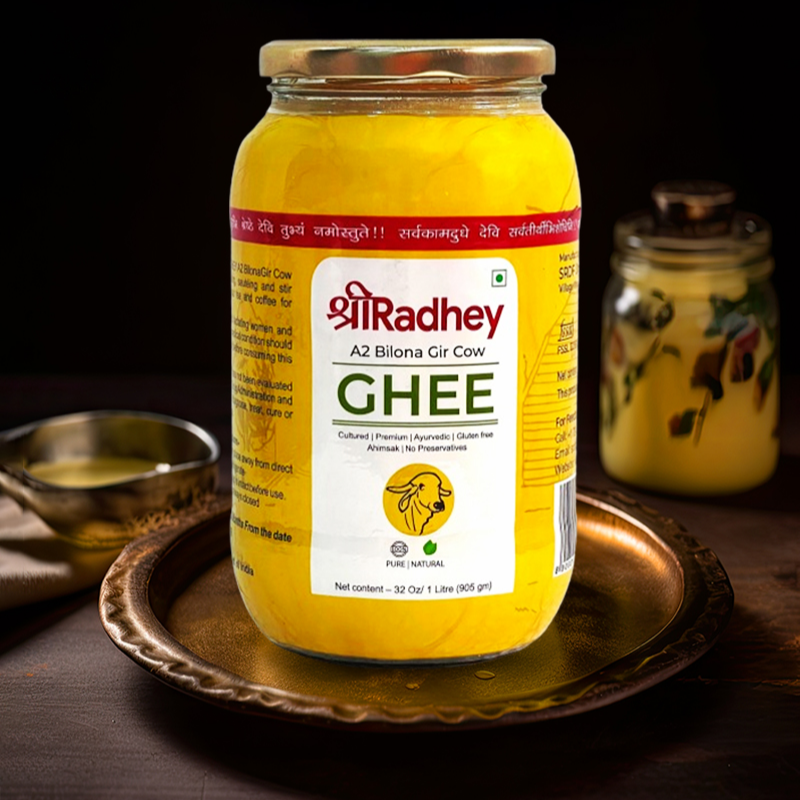 A2 Gir Cow Ghee (1000 ML) |
 A2 Gir Cow Ghee (1000 ML X 2) |
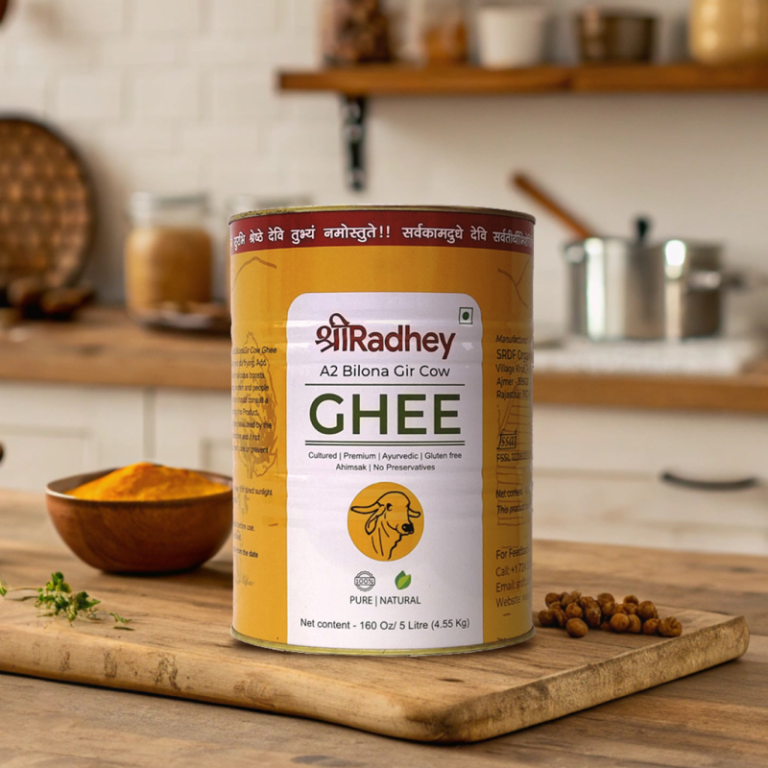 A2 Gir Cow Ghee (5 Ltr) |
How Much A2 Ghee Should Different Age Groups Consume?
The ideal amount of A2 ghee varies according to age, activity level, and dietary habits. Children can generally benefit from half to one teaspoon daily as part of a balanced diet. Adults with active lifestyles may consume 1–2 teaspoons per day, while older adults often prefer 1 teaspoon daily to support overall wellness. Individuals with specific dietary requirements should consult a healthcare professional before making significant changes to their daily fat intake. Choosing traditionally prepared A2 Bilona ghee can help ensure purity and quality while maintaining moderation in daily consumption.
Can Pregnant Women Consume A2 Ghee Daily?
A2 ghee is commonly included in traditional Indian diets during pregnancy. However, the ideal quantity depends on individual nutritional requirements, activity levels, and medical guidance. Pregnant women should consult their healthcare provider regarding daily fat intake and dietary recommendations. When consumed in moderation as part of a balanced diet, A2 ghee can be included in regular meals.
How Much Desi Ghee Per Day for Weight Management?
Among the most common misconceptions is that ghee leads to an increase in weight. However, the truth is that if consumed in the right amount it can actually aid in losing fat. In case you want to either get fit or control your weight, then 1 teaspoon of A2 desi ghee is perfect for you.
Desi Gir Cow Ghee contains medium-chain fatty acids that are responsible for increasing metabolism, reducing appetite, and causing lower cravings for unhealthy foods. This way it becomes less difficult to stick to a healthy diet without consuming more food than necessary. Hence, the answer to the question “how much desi ghee per day is enough?” is not “none”, but rather “the right amount”.
A2 Ghee for Weight Loss: Myth or Reality?
Many people avoid ghee because they believe it automatically causes weight gain. However, portion size is what matters most. When consumed in moderation and combined with a balanced diet and physical activity, A2 ghee can fit comfortably into a healthy lifestyle. Replacing highly processed fats with traditionally prepared ghee may help people follow a more natural eating pattern. The focus should always remain on overall calorie balance and dietary quality.
Recommended Daily A2 Ghee Intake
| Category | Recommended Daily Intake |
|---|---|
| Children | ½–1 tsp |
| Adults | 1–2 tsp |
| Active Individuals | 2 tsp |
| Seniors | 1 tsp |
| Weight Management | 1 tsp |
How Much Ghee is Good Per Day?
Safety is mainly a matter of moderation. In fact, the healthiest foods can lead to health issues if consumed in large amounts. For the majority of people, daily intake exceeding 2 to 3 teaspoons will be considered as an upper safe limit. If you stick to this amount, you can reap all the benefits and at the same time your body will not be overloaded with calories or saturated fat.
However, if you have the problems of calories and saturated fat, it is better to restrict your intake to just 1 teaspoon a day, which will be accompanied by a visit to your doctor before consuming it.
What Happens If You Eat Too Much Ghee?
While A2 desi ghee offers several nutritional benefits, excessive consumption may increase overall calorie intake. The key is moderation. Consuming more than your body’s requirements can make it difficult to maintain a balanced diet. Most nutrition experts recommend enjoying ghee as part of a healthy eating pattern rather than using it excessively. The goal should be to benefit from its traditional nutritional value while keeping daily intake within reasonable limits.
Best Time to Consume A2 Desi Ghee for Maximum Benefits
Consuming Ghee in the early hours, together with warm water, helps in flushing the digestive system and making the gut microbiome stronger. Just a little bit of ghee in the noon meal not only increases the nutrient absorption but also, a teaspoon with dinner makes the joints less stiff and heals quicker during the night. The entire process assures that you get the maximum benefit of your daily ghee intake.
Read: A2 Cow Ghee: The Perfect Addition to a Healthier Lifestyle
Final Thoughts
Pure Desi ghee is a superfood, but its magic is in moderation. If you are still wondering about how much ghee per day, optimum intake of ghee per day, or whether there is a daily limit for ghee consumption.
1-2 teaspoons daily is more than enough for most to experience gains in digestion, immunity, and health in general. Include it in your routine, choose pure, traditionally made A2 desi ghee, and let this ancient superfood work on your health naturally. Click to buy the best organic desi ghee in India.
Frequently Asked Questions
Can I eat A2 ghee every day?
Yes, moderate daily consumption is commonly included in many traditional diets.
Is one spoon of ghee per day enough?
For many adults, one teaspoon daily is sufficient to enjoy the benefits of ghee as part of a balanced diet.
What is the best time to eat A2 ghee?
Many people consume it in the morning, while others include it with meals throughout the day.
Can A2 ghee help with weight management?
Moderate consumption can be included within a healthy eating plan when overall calorie intake is controlled.
Can children consume A2 ghee daily?
Many families include small quantities of ghee in children’s diets as part of traditional nutrition practices.
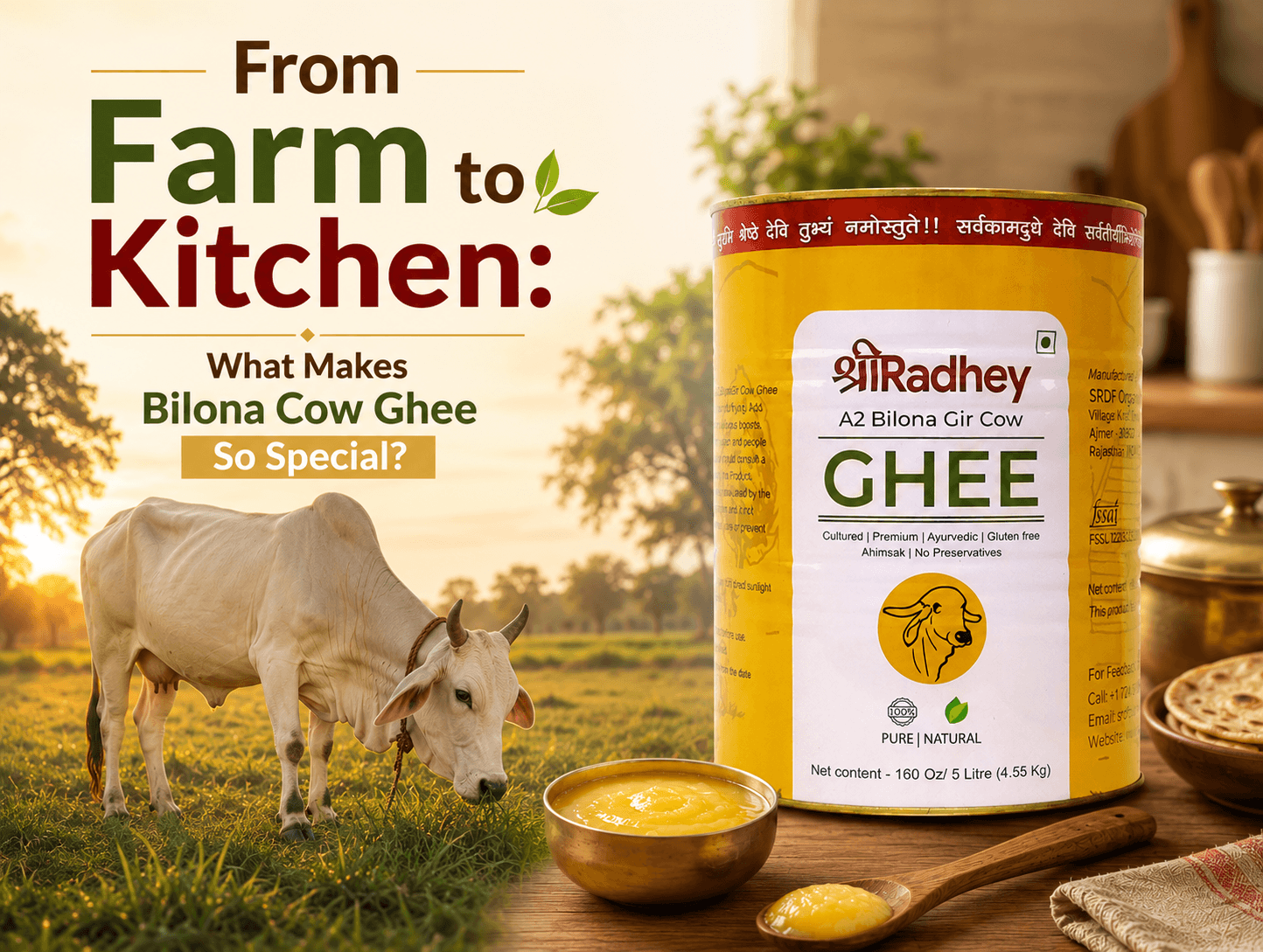 From Farm to Kitchen: What Makes Bilona Cow Ghee So Special?
 Can A2 Ghee Replace Your Everyday Cooking Oils?
 Bilona Cow Ghee: An Ayurvedic Secret to Longevity
 Common Mistakes to Avoid When Buying A2 Desi Ghee Online
 A2 Gir Cow Ghee: A Flavorful Choice with Health Benefits