No products in the cart.
Free Shipping All over India.



0


Ghee For Cholesterol: Things You Need to Know?


Published on –

5 min read
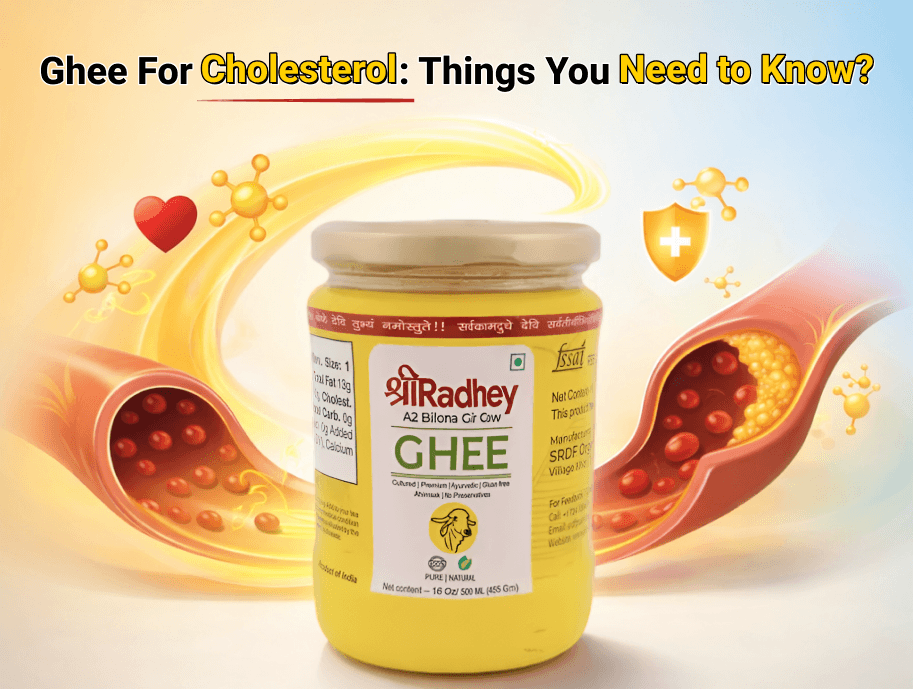
Organic A2 Desi Ghee has always been a superfood in traditional kitchens, and it was associated with a lot of health benefits and great taste. Nevertheless, as far as heart health is concerned, most individuals doubt its place, particularly concerning cholesterol. As the dietary fats and their effects on the body increase, it is only natural to question whether the use of ghee in your daily routine is a good or a dangerous choice.
Learning more about the way ghee reacts with cholesterol levels and distinguishing between the myths and the facts may help you make wise choices when it comes to adding this into your healthy routine.
Understanding Ghee and Its Nutritional Profile
Healthy fats, fat-soluble vitamins (A, D, E, and K), and antioxidants are highly concentrated in ghee or clarified butter. It is also easier to digest compared to ordinary butter, and it has very low lactose and casein.
The ghee is unique because of saturated fatty acids and short-chain fatty acids, which are involved in energy production and gut health.
Does Ghee Increase Cholesterol?
The answer to this question depends on the amount of consumption and the general way of life.
Moderate consumption of ghee in healthy individuals might not cause a radical impact on elevating cholesterol levels. In fact, desi ghee can increase HDL (good cholesterol), which is good for the heart. Instead of eliminating it, try to reduce the amount of it you consume.
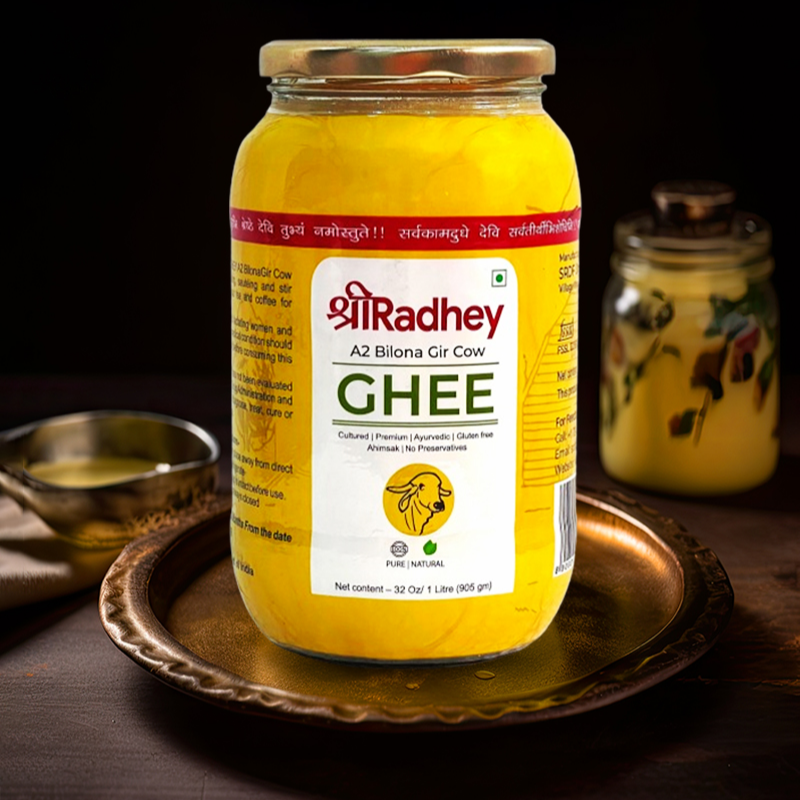 A2 Gir Cow Ghee (1000 ML) |
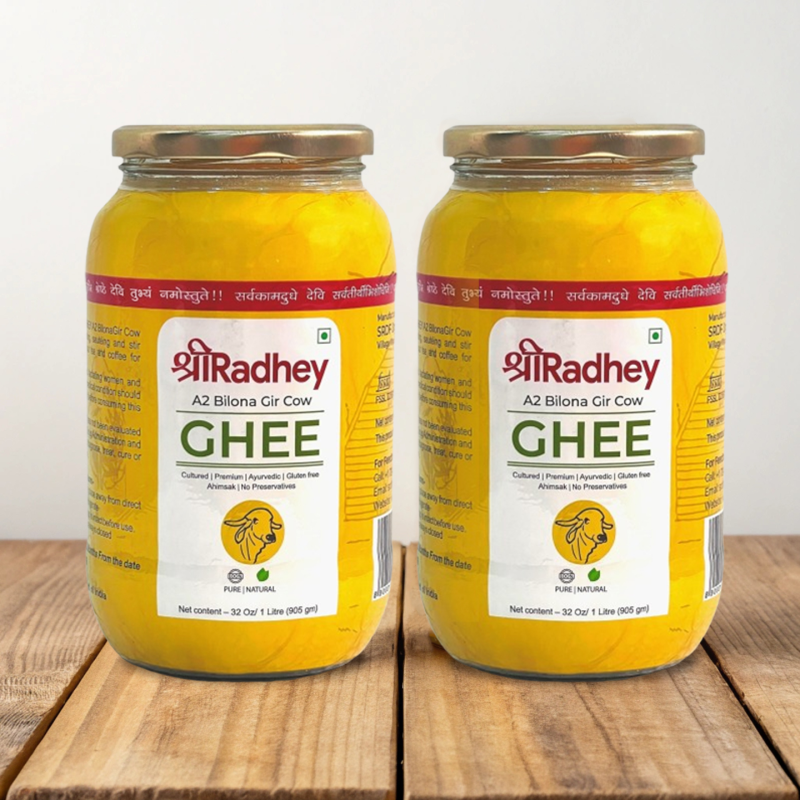 A2 Gir Cow Ghee (1000 ML X 2) |
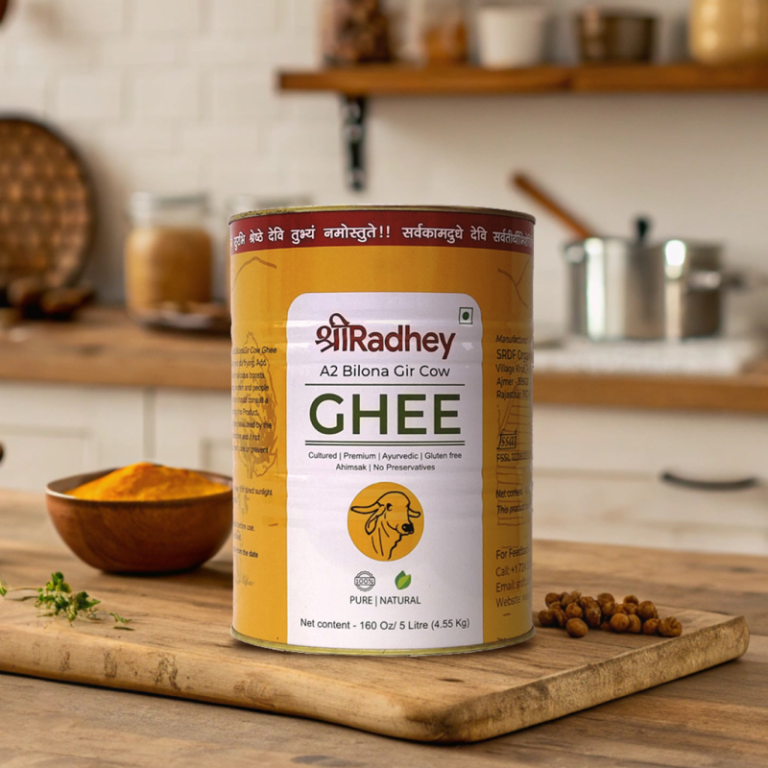 A2 Gir Cow Ghee (5 Ltr) |
The Relationship Between Cholesterol and Ghee
Cholesterol and ghee differ in the amount of fat contained in them. Ghee is a source of saturated fats, and traditionally, it was thought that the fats increase cholesterol levels. Nevertheless, there has been recent evidence that not every saturated fat has the same effect on the body.
Ghee also contains conjugated linoleic acid (CLA), which could exert an anti-inflammatory and cardioprotective effect. Ghee has also been considered as a cholesterol villain but when taken in moderation as part of a balanced diet, then as a constituent in a balanced diet, Ghee can be healthy for your body.
Read: A2 Ghee And Cholesterol: Myths Vs. Facts
Ghee For Cholesterol: Is Ghee Harmful To Health?
A2 Gir Cow Ghee has always been one of the traditional diets; however, people tend to question whether it is harmful to the heart. The thing is that ghee includes a lot of saturated fats, and this is why it is assumed that ghee can raise the level of cholesterol. However, in moderate quantities, ghee may be incorporated into a balanced diet.
It contains numerous beneficial fats, such as fatty acids in short chains and the fat-soluble vitamins, which maintain the general state of health. The main concern is in the event that one consumes an excess of it, since it may cause high LDL (bad cholesterol). As such, ghee is a contentious option as far as cholesterol is concerned; it is all about the quantity that one takes in and the way of life and diet in general.
Read: How Desi Cow Ghee is Good for a Healthy Heart
Benefits of Ghee (When Consumed in Moderation)
As much as there are concerns, ghee does have several health benefits:
- Helps to digest and maintain gut health.
- Gives fast energy because of healthy fats.
- Improves the absorption of nutrients.
- Has anti-oxidants that help in combating inflammation.
These benefits show that ghee, when used in moderation, doesn’t have to be a concern for cholesterol, so long as it is used in a moderate amount.
Who Should Be Careful With Ghee?
Though ghee itself may be included in a healthy diet, some people must pay closer attention to their consumption:
- Individuals with LDL cholesterol.
- Individuals with a heart condition presently.
- People who have an inactive lifestyle.
- Anyone on a high-fat diet in general.
In these cases, it is advisable to talk to a healthcare professional before taking ghee on a regular basis.
Tips to Consume Ghee Without Raising Cholesterol
To have healthy cholesterol levels, you do not have to entirely avoid ghee. Instead, follow these simple tips:
- Use in small amounts (1-2 teaspoons daily)
- Combine it with a high fiber diet.
- Do not use it with a lot of fried or processed food.
- Be physically active to keep your lipids at a healthy level.
These little changes in lifestyle and food habits will allow you to indulge in ghee without fearing your cholesterol.
Final Thoughts
A2 Bilona Cow Ghee is not really the cholesterol villain that it has been portrayed to be. The main issue is the amount of intake and an unhealthy lifestyle. Learning the actual behavior of ghee in the body will teach you to eat wisely. Whether ghee belongs to the category of heart-sensitive foods, it depends on moderation. When properly used, ghee can be an important part of a healthy diet. Click to buy the best organic ghee in India.
Related Blogs
 How Pure Desi Ghee Helps in Acidity & Stomach Problems?
 Desi Ghee Benefits for Women: The Secret to Naturally Glowing Skin
 Why Pure Cow Ghee Is Highly Recommended For Babies?
 Benefits of A2 Ghee & Why It Is Essential for Indian Festivals
 Why Organic Gir Cow Ghee Is the Best Choice for Your Health in 2026